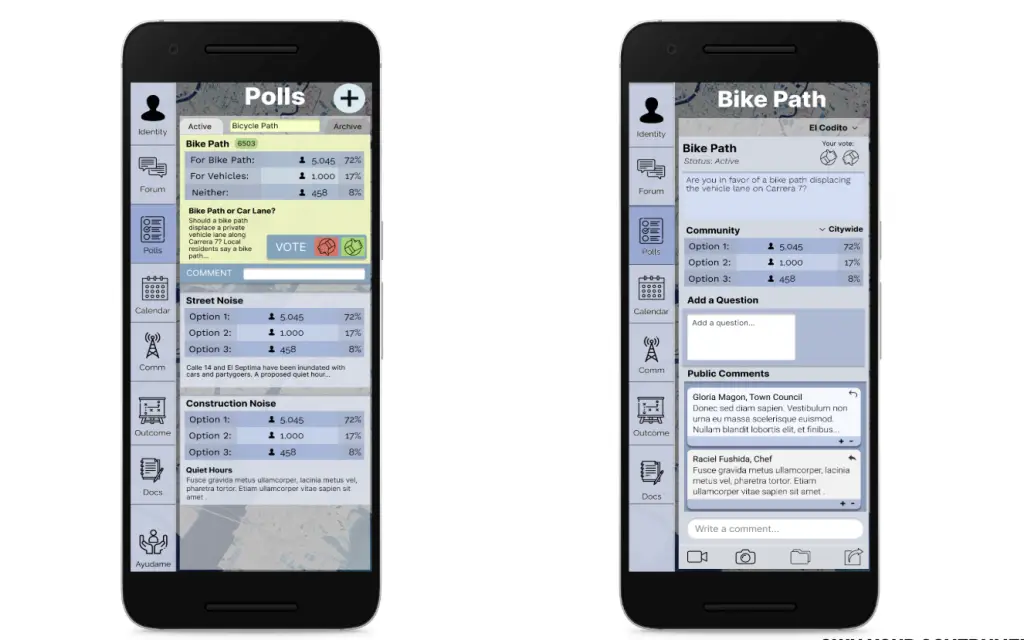
CAN changes people from objects of institutional action into organized agents
capable of authorizing collective power.
THE PEOPLE SET THE AGENDA
YOU SHOW UP
On your community’s platform
YOU LISTEN
Problems, ideas, concerns Personal experience
YOU SPEAK
Find common interests Challenge assumptions
QUESTION
Find out what holds up
PROPOSE/DISCUSS
Negotiate Challenge Propose
BUILD CONSENSUS
A collective voice
AUTHORIZE
Coordinate resources
PRESERVE PLURALITY
COORDINATED ACTION NETWORKS
TECHNOLOGY FOR DEMOCRATIC INFRASTRUCTURE
A process through which people
share reliable information;
trade experiences and goods
identify uncertainties;
examine objectives, alternatives, risks, and consequences;
aggregate power
hear different points of view;
make agreements; define differences; create boundaries;
authorize common priorities, and set limits;
Coordinate resources and action;
preserve commitments and public records; and
hold institutions and representatives accountable
WHAT IS DEMOCRACY?
IF YOU ARE A MACHINE
Democracy is oxymoron–an algorithm pings you to check system status.
IF YOU ARE HUMAN
DEMOCRACY
IS YOUR ABILITY TO GOVERN THE USE OF COLLECTIVE POWER
DEMOCRACY THEN DEPENDS ON MEDIA
MEDIA THAT INFORMS YOUR NEEDS AND DESIRES
IN MODERN TIMES
We have not inclusively guided government
IT WASN’T POSSIBLE
Plato gave up on democracy because it couldn’t be done
TECHNOLOGY
MAKES
DEMOCRACY POSSIBLE
BUT OUR WORLD IS ORGANIZED FOR TOP DOWN MANAGEMENT
MEDIA AND THE MEDIUM HAVE BOTH EVOLVED
THE MEDIUM CONTINUOUSLY INFORMS YOUR CHOICES
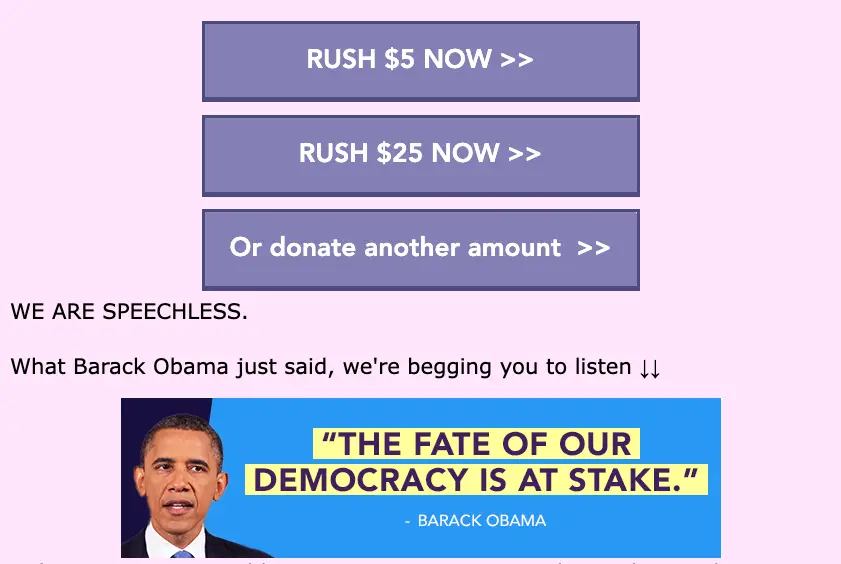
THE DIGITAL MEDIUM OPTIMIZED FOR ADS THAT DIRECT YOU
TO DESIRE WHAT MAKES YOU “COOL”
THE MAINSTREAM MEDIUM
SUGGESTS THAT THE GOVERNMENT DECISIONS
THAT IMPACT YOUR LIFE
WERE DEMOCRATICALLY DECIDED
WHEN DID YOU HAVE A SAY?
“THE MEDIUM IS THE MESSAGE”
(Marshall McLuhan predicted that electronic media would shrink the world into a single interconnected “global village,” allowing instant communication across vast distance)
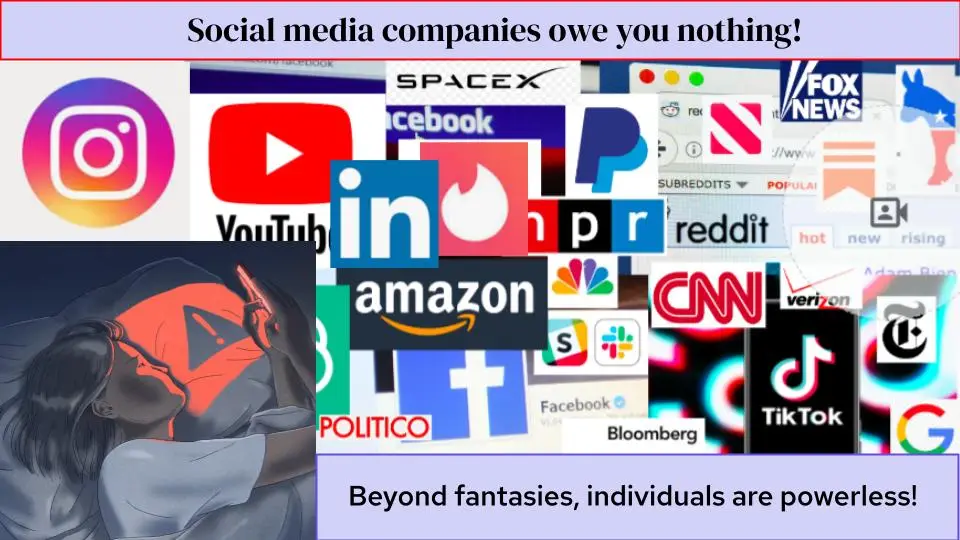
The assumption that posts on social media are evidence of public authorization is unfounded
BUT UNDERSTANDABLE
YOU TOO ARE CODED
LIKE A MACHINE––IN A WAY
“Political will” is code for the conscious expression of a community about the collective authorization of public power of community members…but in practice, this is not measured.
WHO ARE YOU?
You are one of +/- 1,062,000,000 HUMANS
In North America, Central America, Caribbean, and South America
AVAILABLE IN YOUR IMAGINATION
You are one of +/- 8,314,913,500 HUMAN LIVES
In 2.5 TO 4.3 MILLION GEOGRAPHIC COMMUNITIES
SPEAKING ONE OF 7,200 KNOWN LANGUAGES
LIVING IN ONE OF 193 U.N. MEMBER STATES
ON 1 PLANET IN A GALAXY WE CALL, “THE MILKY WAY”
MEDIA INFORMS YOUR BELIEFS
AND SHAPES YOUR PERCEPTIONS
IF YOU DON’T AUTHORIZE THE COLLECTIVE POWER
OF YOUR COMMUNITY
WHO DOES?
AND, WHY THEN ARE YOU RESPONSIBLE?
CONTROL OF THE WEALTH AND POWER
OF THE UNITED STATES
U.S. household wealth: +/- $185.66 trillion (2026)
DEFAULTS TO OWNERS OF MEDIA TECHNOLOGY
(WHO OWNS ELECTRO MAGNETIC FREQUENCIES? WHO OWNS THE OCEANS? – THE STARS?)
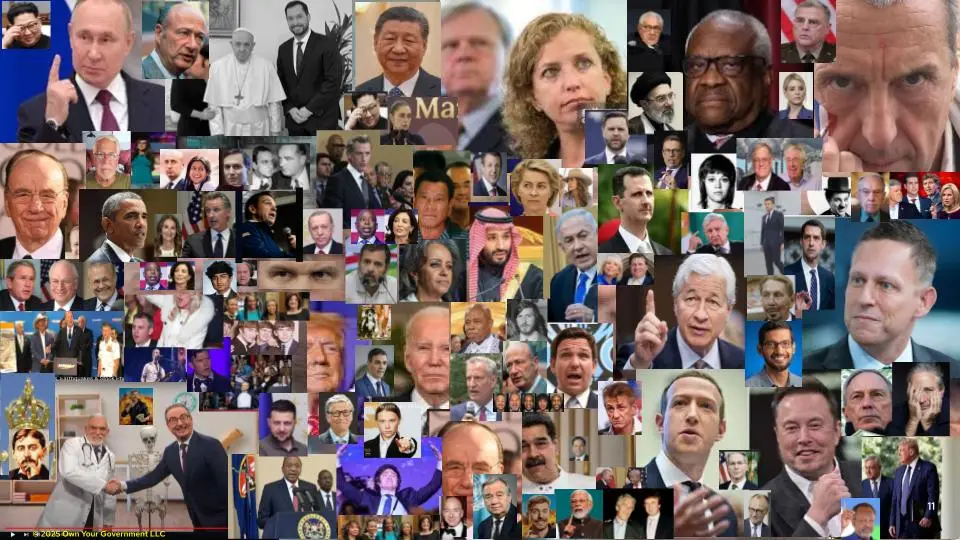
WHO DECIDES WHAT FACES WE SEE IN MEDIA?
ELON MUSK-PETER THIEL-HARVEY WEINSTEIN-BIBI NETANYAHU-RICHARD NIXON-J.D. VANCE-JOE BIDEN, KAMALA HARRIS, STEVE BANNON, JEFF BEZOS?
WHO OWNS MACHINES THAT INFORM YOUR DESIRE
THE MEDIUM MANIPULATES YOUR FEELINGS OF SELF
HOW ARE ALGORITHMS ARTIFICIAL INTELLIGENCE?
THE ENTERTAINMENT MEDIUM
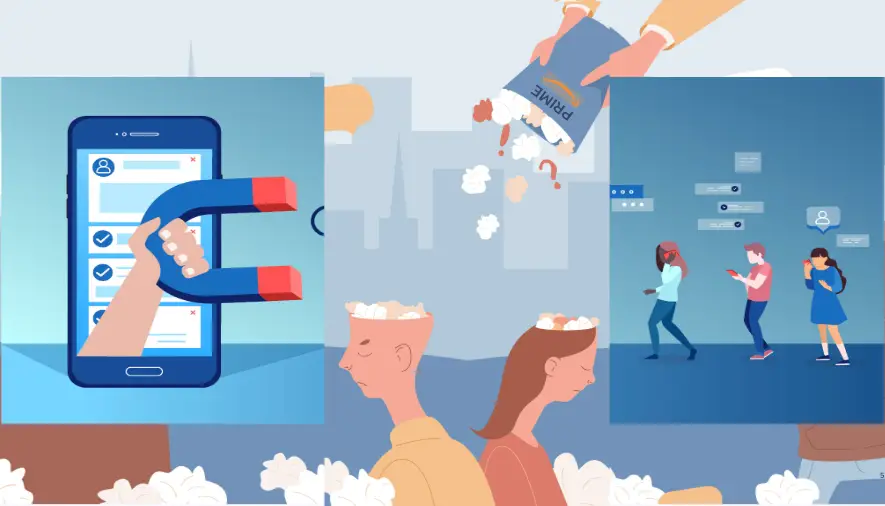
IS AN INTENTIONALLY ADDICTIVE NARRATIVE
CODED BY AN ALGORITHM
THAT USES YOUR PERSONAL INFORMATION
THE MACHINE DOESN’T “KNOW”
THE MACHINE
DOESN’T “CARE”
ABOUT YOU, YOUR LIFE
YOUR HAPPINESS OR YOUR SURVIVAL
AN ALGORITHM ISN’T CONSCIOUS
THE MACHINE IS NOT “INTELLIGENT”
THE ALGORITHM IS CODE
HOWEVER, MEDIA IS CONVINCING
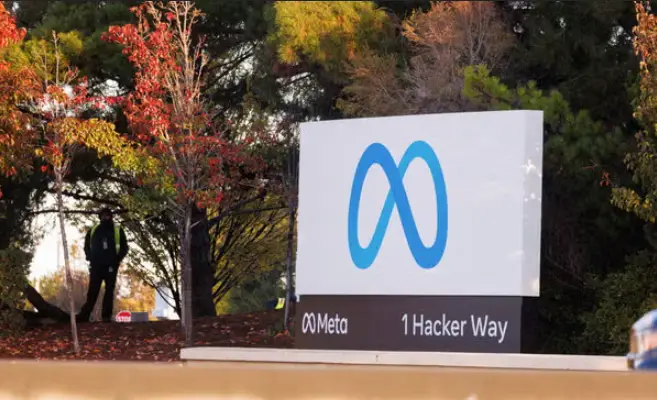
MARK ZUCKERBERG, META
GLOBAL PLATFORMS
ARE CENTRALLY CONTROLLED
ALGORITHMS
NO MORAL CODE
NO ETHICAL STANDARDS
NO COMPASSION
NO PROBLEM
THEY ARE NOT RESPONSIBLE
YOU ARE RESPONSIBLE
MEDIA SHAPES
YOUR PERCEPTIONS
By selecting, arranging, and representing your reality
THE MEDIUM IS POLITICAL
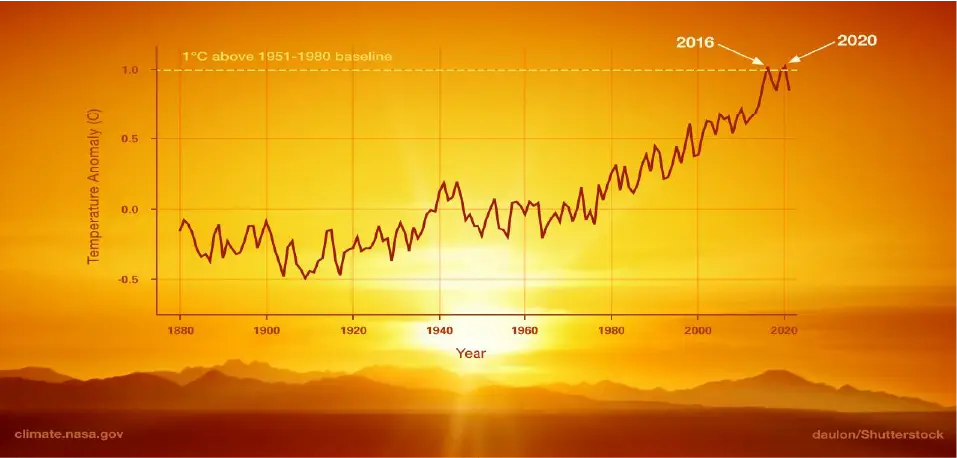
DO YOU CAUSE GLOBAL WARMING
BY BUYING THE CARS
WITH HIGH ENERGY LIFESTYLES
NO CONVENIENT ALTERNATIVES
BY DEPENDING ON FOSSIL FUELS
THE SHINE FADES ON THE TESLA
WHILE YOU MUST ADAPT
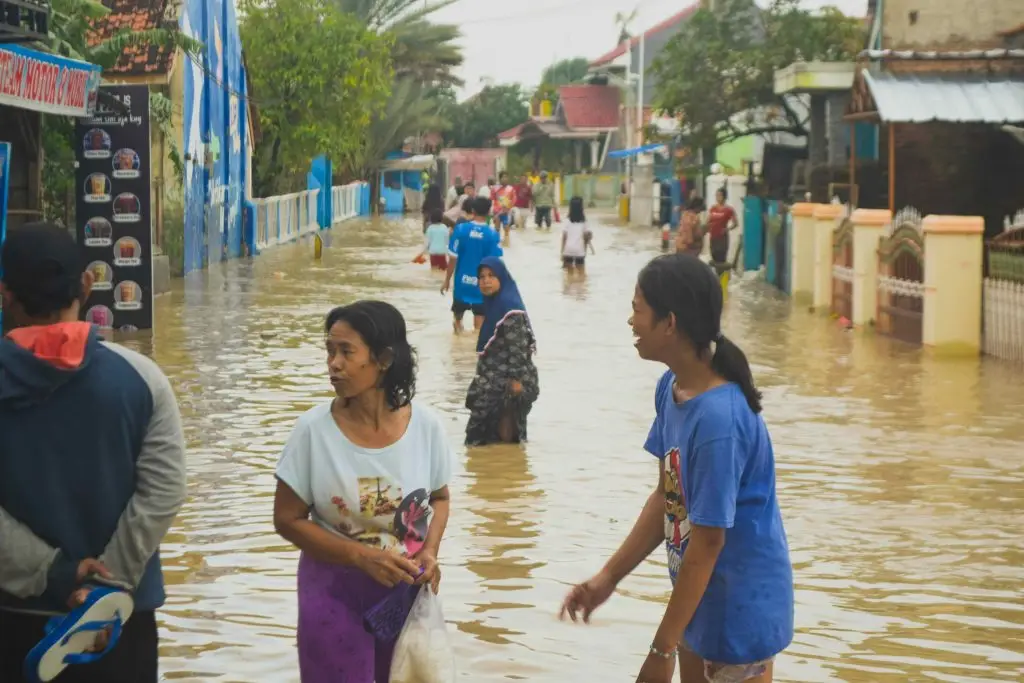
PAY FOR FLOODS
COMMISERATE AT BURNING MAN
SING ALONG AT COACHELLA
STYLE IN FASHON IN EDINBURGH
STREAMING MEDIA
LEADS YOU TO SUPPORT A WAR
YOU DON’T RECALL THE REASON
YOU HAVE NO HEALTHCARE
RENT IS HALF YOUR EARNINGS
EDUCATION IS ANTIQUATED
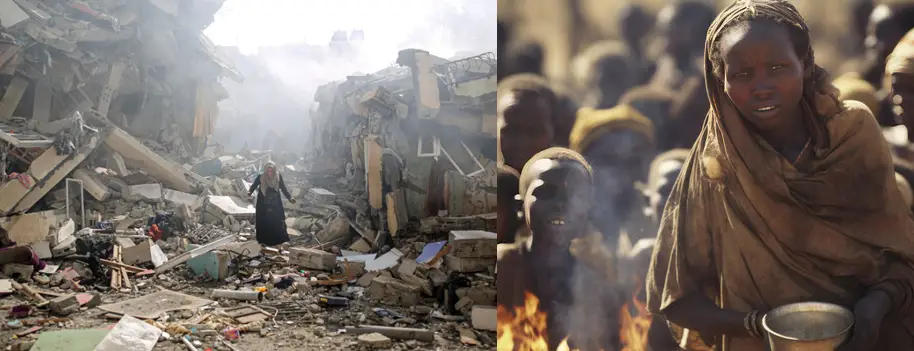
YOU TACITLY PAY FOR GENOCIDE
MEDIA CREATES ILLUSIONS
MEDIA SUGGESTS YOU HAD A CHOICE WHEN YOU VOTED
BUT
IN FACT
YOU AUTHORIZED NOTHING
ZIP
ZERO
NADA
THESE ARE UNINTENDED CONSEQUENCES
OF USING MASS COMMUNICATION TECHNOLOGY
FOR ADVERTISING REVENUE
WITH NO RESPONSIBILITY FOR QUALITY OF INFORMATION
TECH INDUSTRY
DENIES ALL LIABILITY
FOR BANAL MISDEEDS OF USERS
OR THE SUFFICIENCY OF INFORMATION
Circumstances are presented as reality in “official” media are edited
The public is in the role of observer and reactor rather than author.
FOR EXAMPLE
What do you know about the national debt?
THE U.S. NATIONAL DEBT EXCEEDS $40 TRILLION
TAXPAYERS PAY ABOUT A TRILLION DOLLARS
INTEREST ON THE NATIONAL DEBT
TO WHOM?
When did the public authorize bombing Palestine?
Did we choose to increase our risk of nuclear proliferation?
POLITICIANS DON’T FORGET
TO ASK YOU
WHAT YOU WANT
IT’S NOT IN THEIR JOB DESCRIPTION
IT WOULD BE INCONVENIENT FOR DONORS
THIS IS THE SYSTEM, WORKING NORMALLY
WAR — CLIMATE — FAMINE — PUBLIC DEBT — DEVELOPMENT
DECISIONS ARE BEING MADE CONSEQUENCES ARE BEING PRODUCED
WHAT HAVE WE UNDERSTOOD? WHAT HAVE WE AUTHORIZED?
THE GREATER THE CONSEQUENCE OF PUBLIC POWER, THE GREATER THE NEED FOR INFORMED PUBLIC AUTHORIZATION.
GLOBAL CONDITIONS EMERGE FROM LOCAL DECISIONS
GLOBAL PROBLEMS ARE CREATED
BY LOCAL DECISIONS
IF
ALL POLITICS IS LOCAL
LOCAL CONSENSUS TECHNOLOGY CAN HELP
Local land use policy, investment, regulation, development,
infrastructure and institutional priorities have consequences.
COMMERCIAL TECHNOLOGY MADE US OBSERVERS AND REACTORS,
BUT IN REALITY, WE ARE THE AUTHORS OF OUR LIVES
THE MESSAGE OF COMMERCIAL MEDIA?
WE CAN’T CHANGE OUR CIRCUMSTANCES
BUT IF WE CAN CHANGE THE MEDIUM
WE CAN CHANGE THE RULES OF THE GAME
NOT A MOMENT TOO SOON
We can empower a community’s capacity
to authorize its collective power.
DEMOCRACY REQUIRES TECHNICAL INFRASTRUCTURE
COORDINATED ACTION NETWORKS
*CAN*
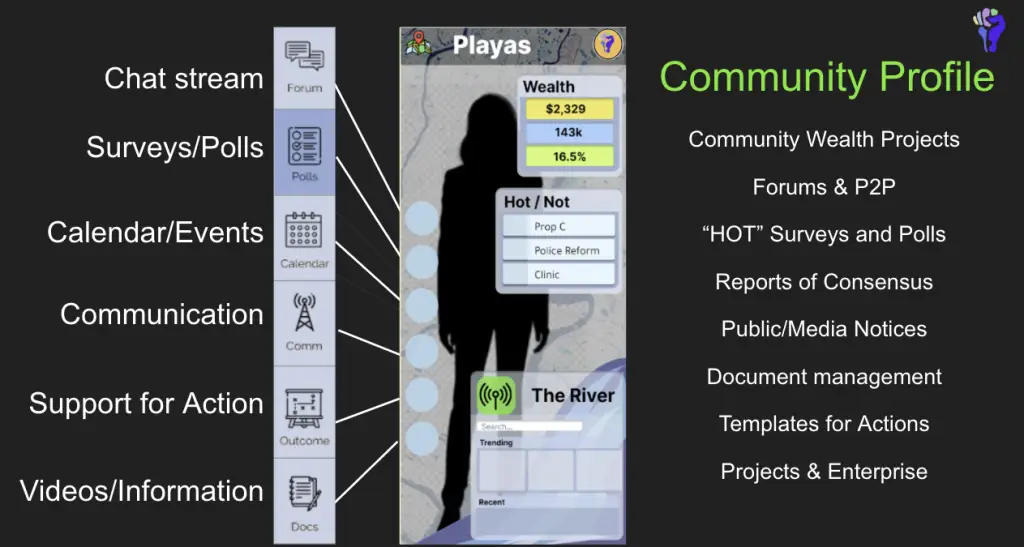
CAN is infrastructure for communication through which a community can become conscious of itself, people can exercise agency and responsibility, and together consciously nurture and care for life within, around, and affected by it.
ARCHITECTURE FOR CLOUD TECHNOLOGY
DEMOCRATIC AUTHORIZATION OF PUBLIC POWER
The measure of a community is not how efficiently it governs itself,
Communication makes agency and responsibility possible. Agency and responsibility make intentional care possible.
The legacy commercial medium was optimized for ads to manipulate consumers and incite public reaction.
CAN IS OPTIMIZED FOR ITS USERS
CAN serves its community by providing a medium through which the community can see and understand circumstances, form judgments about them, establish authentic political will, authorize action, and coordinate power.
Politically, the power of community appears as collective authorization. Spiritually, its power appears when separate lives become meaningful in relation to one another.
CAN HELPS DEVELOP RESOURCES AND TALENT
LIFE-SAVING COORDINATION IN EMERGENCIES
maintain communication coordinate volunteers communities support others
share vital resources facilitate government efforts
CAN EMPOWERS COLLECTIVE ACTION
HELP IMPLIES DISABILITY
Historically, philanthropy follows a familiar structure:
Funders identify a problem. Organizations design an intervention. Institutions allocate resources. People receive services. Success is measured in beneficiaries reached.
Relieving suffering does not change who holds the power to make consequential decisions
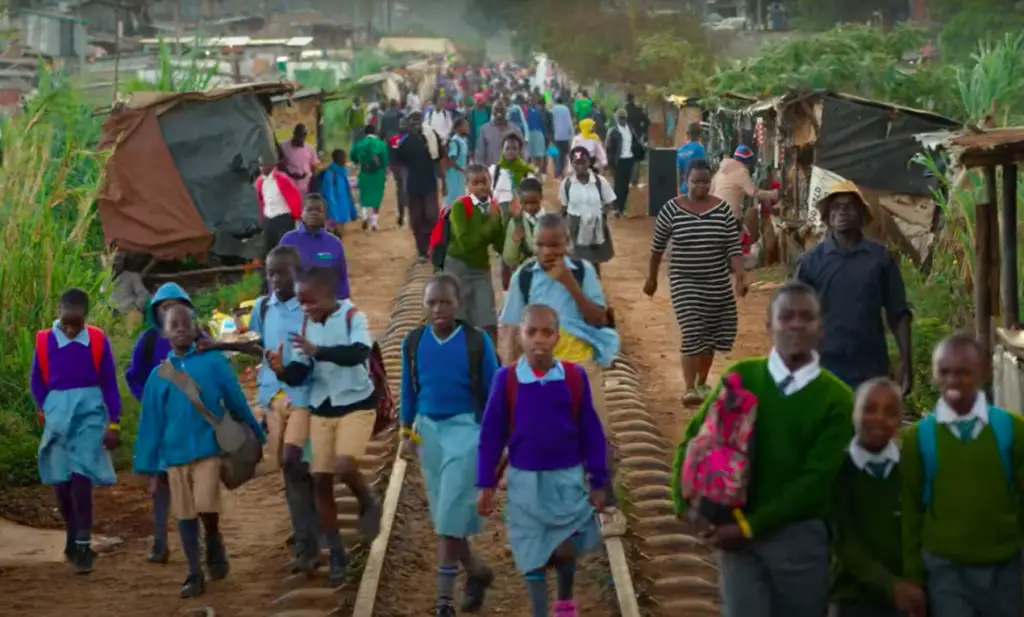
CAN is not principally an intervention delivered to underserved people.
CAN is infrastructure through which people cease to occupy the institutional category of “underserved beneficiaries.”
CAN participants define the problem, establish what is true, determine priorities, make consequential choices, coordinate resources, and hold institutions accountable.
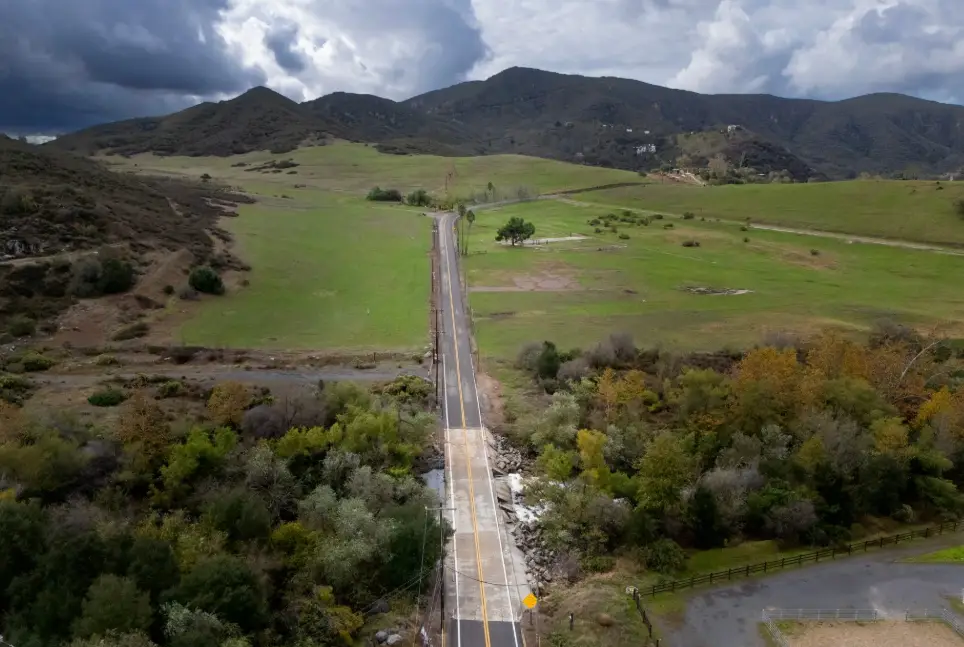
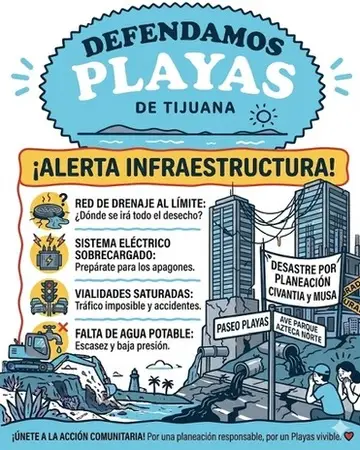
PLAYAS DE TIJUANA
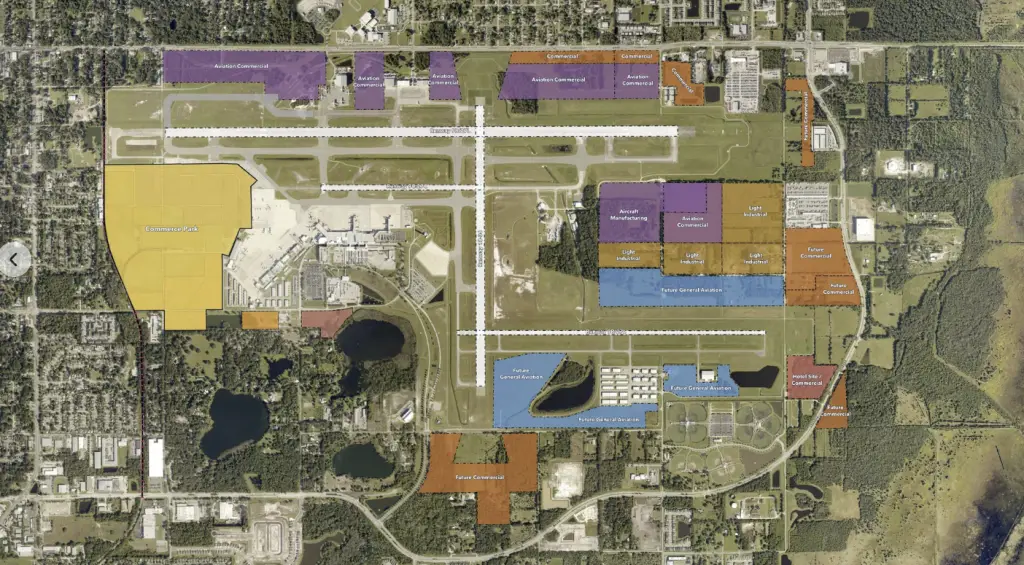
DEVELOPERS WANT TO BUILD 9 HIGHRISE TOWERS WITH 1600 UPSCALE APARTMENTS, AND A HOTEL AND SHOPPING MALL
IN A CONSERVATION AREA
Water & energy outages are already frequent
Traffic is already intolerable
RESIDENTS ARE OBJECTING
THE COMMUNITY ISN’T ORGANIZED
The community remains inside the process the development system already knows how to defeat: hearings, objections, petitions, scattered evidence, procedural delay and exhaustion.
When we have a say in development decisions
Development is sustainable
When communities can sustain themselves
GLOBAL COOLING IS INDEPENDENTLY ACTIONABLE
COLONIAL RELATIONSHIPS DON’T BEGIN WITH MALICIOUS INTENTION
“BANALITY OF EVIL” – HANNAH ARENDT
Food, housing, healthcare, education and emergency assistance are essential.
Charity reflects kind intention but is not self-government
A community should not have to be powerless to qualify for help.
CAN makes collective agency itself the infrastructure
Communities must be actors, not waiting for handouts.
Actions that produce or reverse global warming are local
Community consensus can drive action
Homes can be affordable
Communities can be livable
Childcare can support parents
Parks can be preserved
Local economies can thrive
What people agree on—right now, moving the world
CAN’s architecture does not assume that today’s human institutions, today’s internet, or today’s electromagnetic communications represent the final form of intelligent relationship.
CAN is not designed around any particular communications technology. CAN is an architecture through which autonomous communities can understand themselves, build consensus, create wealth, carry out plans, create shared identity and document provenance, negotiate relationships and boundaries, establish consent, coordinate consequential action and preserve autonomy.
COORDINATED ACTION NETWORKS
TECHNOLOGY FOR A DEMOCRATIC CIVIC MEDIUM
Communications infrastructure through which people in communities can cooperate, establish legitimate relationships, and coordinate consequential action without surrendering individual autonomy
CAN is beginning with geographically-bounded human communities–not as a limit, but as a way to understand how a medium empowers responsibility
Own Your Government
COORDINATED ACTION NETWORKS
CAN is infrastructure for communication through which a community can become conscious of itself, exercise agency and responsibility, and consciously nurture and care for life within, around, and affected by it.
Existing media organize populations as objects of institutional action.
CAN enables communities to become conscious, responsible agents of their own common life.